

From SAP HR Personnel Development to SAP SuccessFactors Talent Intelligence
In this video, Rinky Karthik and myself discuss the evolution of Talent Management and the importance of Skills in SAP’s HCM solutions. We also take a look at where Talent Intelligence may take us.
Rinky is Senior Director of Product Success for HCM and Strategic Customer Engagements at SAP and a leading expert on SuccessFactors Talent Intelligence Hub and its adoption.
This is the first video of a series I’m running this year to mark my 30 years anniversary as a SAP HCM consultant on 1st March 2026.
Click here for the full video:
Summary of the conversation on SAP Talent Management from SAP PD to SuccessFactors Agentic AI
How Talent Management Technology evolved
- Evolution of SAP HR Technology: Looking at the historical development of SAP HR, we see the shift. The HR solution moved from operational, systems focused on payroll and compliance to modern platforms emphasizing talent development, employee experience, and continuous learning in SuccessFactors HCM
- Early SAP HR Systems: Early SAP HR systems were primarily designed for administrative efficiency, in payroll, time management, and compliance. Talent development was a secondary concern.
- Introduction of Personnel Development: SAP’s early attempt to introduce personnel development (PD) modules, was limited. It also often lacked support from the right mindset and executive sponsorship in customer organisations.
- Mindset Shift and Cloud Adoption: Rinky sees the period between 2011 and 2015 as pivotal. On the user side, organisations recognised the need for dynamic talent management. On the HR-Technology side, cloud solutions like SuccessFactors enabled more continuous and connected career development.
- Transition to Employee-Centric Platforms: Cloud-based platforms shifted HR-Technology from being department-focused to employee-focused. They now have the whole workforce in mind rather than serving just the HR team.
Skills Ontology in SAP SuccessFactors
- Skills Management and Dynamic Skills Ontology: We are now seeing the transformation from static skills catalogues to dynamic skills ontologies. Continuously updated skills data and its application to solve real world operational needs are crucial for adoption.
- Static vs. Dynamic Skills Catalogues: In the past, organisations relied on static skills catalogues, often purchased from vendors and updated infrequently. Today, dynamic skills ontologies are continuously refreshed using labor market data and job board scraping.
- Industry-Specific Skills Ontologies: We see the need for industry-specific skills catalogues. They address unique operational requirements in industries as diverse as manufacturing, pharma, finance, professional services, retail etc.
The Future of SAP Talent Management: driven by agentic AI
- AI-Driven Skills Inference and Agentic AI: SAP SuccessFactors leverages AI for skills inference. This allows for dynamic updates to employee skills profiles based on learning activities, assignments, and feedback, with „human-in-the-loop“ being an important element.
- Job Architecture and Skills Assignment: Associating skills with job roles and profiles allows organisations to assess and rate employee skills from day one. Starting from there, they can track skill growth through ongoing learning and assignments.
- AI-Based Skills Inference: AI now infers skills from various data sources. These include the completion of learning courses, dynamic team assignments, Continuous Performance Management etc.
- Human in the Loop Principle: We both agreed that SAP’s responsible AI approach ensures human oversight in skills management. AI is performing the bulk of data processing, but final decisions remaining with employees and managers.
- Agentic AI: The future direction of HR technology will prominently feature AI agents. They proactively assist employees, managers, and HR teams by orchestrating work, providing insights, and suggesting actions, while maintaining human control.
- Performance Agent Example: SuccessFactors already provides a performance agent within PMGM. It aggregates data from multiple sources, integrates with Joule, and assists employees and line managers in completing performance processes more efficiently.
- Customer-Driven Agent Development: Rinky highlighted that SAP listens to customer feedback to identify gaps and business needs, incorporating these insights into the roadmap for future agent development across SuccessFactors modules.
If you want to understand how SAP SuccessFactors can help your organisation to drive state of the art Talent Management, please reach out for an exploration call
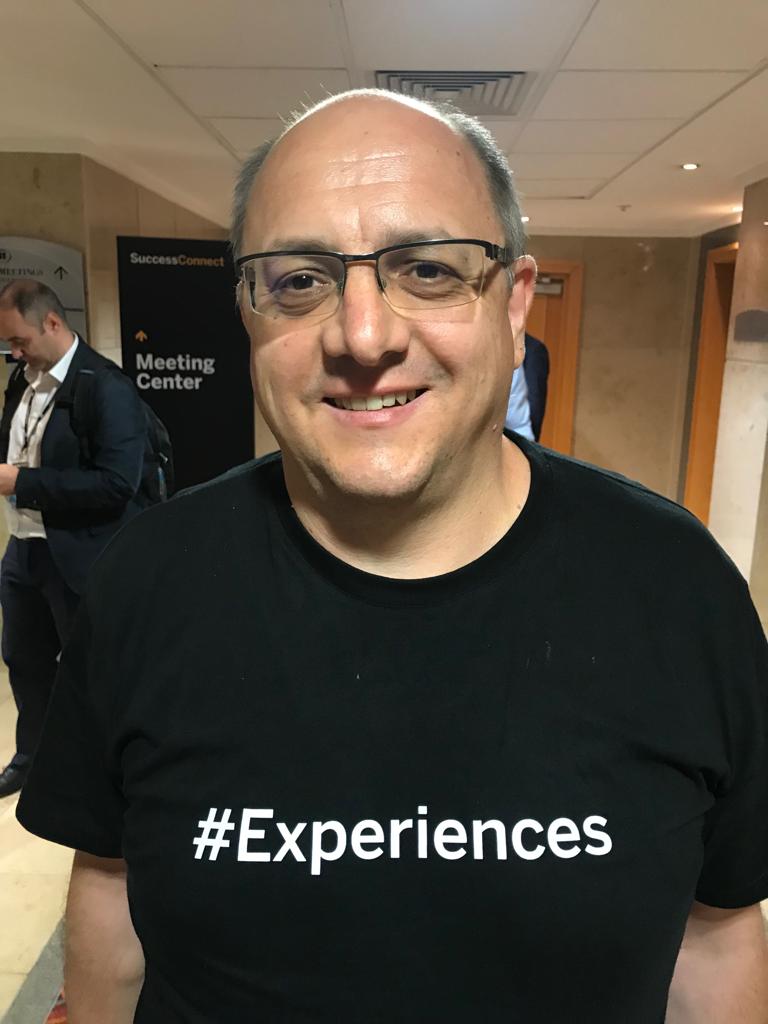
Sven Ringling arbeitet bei ORBIS People im Bereich HCM Lösungen, insbesondere SAP SuccessFactors und Employee Experience.
In über 25 Jahren als Consultant für die HR-Lösungen der SAP hat er für Beratungen in Deutschland, UK und Belgien gearbeitet und umfassende Erfahrungen gesammelt in Kundenprojekten unter anderem mit SAP HR / SAP HCM (on-premise) einschl. Payroll, SAP Concur, SAP SuccessFactors, Workforce Software und Qualtrics Employee Experience.